


Large-scale developments succeed or fail long before construction begins. The way land is
analysed, structured, and planned at the earliest stages has a direct impact on project feasibility,
regulatory approvals, infrastructure performance, and long-term value. Strategic site planning is
not simply a preliminary step—it is the foundation of successful land development.
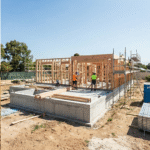
Infrastructure planning is treated as a core design component rather than a secondary
consideration. Water management systems, road networks, service corridors, and landscape
infrastructure are planned together as part of a comprehensive master plan. Sustainable
strategies such as effective drainage, integration of local vegetation, and climate-responsive road
layouts enhance both performance and longevity.
Equally critical is balancing regulatory compliance with design intent. Zoning regulations,
setbacks, access requirements, and environmental guidelines are integrated into the planning
process from the outset. Rather than restricting creativity, this early alignment allows for efficient
approvals and clearer design outcomes.
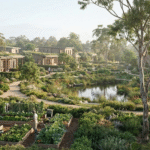
Sustainable infrastructure is a key component of responsible land development. Water
management, road connectivity, service corridors, and landscape systems are planned as part of
an integrated master plan. By addressing these elements early, developments become more
resilient, efficient, and adaptable to future growth.
Strategic site planning transforms raw land into a structured, viable framework—one that
supports development goals while respecting context, infrastructure, and environment. For
developers and landowners, it is the most critical investment in the life of a project.
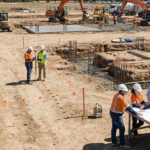
At Deepa & Jayesh, site planning begins with a comprehensive understanding of the land itself.
Topographical analysis, soil conditions, natural drainage patterns, and existing vegetation are
carefully studied before any design decisions are made. Early grading and level planning help
define buildable zones, circulation networks, and open spaces while reducing the need for costly
earthwork corrections later in the project.

-
CALL ANY TIME
9845537672 / 9880363890
-
SAY HELLO
deepaandjayesh@gmail.com